What the operator's permit means for a commercial pool's opening day
The permit is not the last box on the checklist. It shapes the pool from the first drawing.
October 19, 2026 · 4 min read
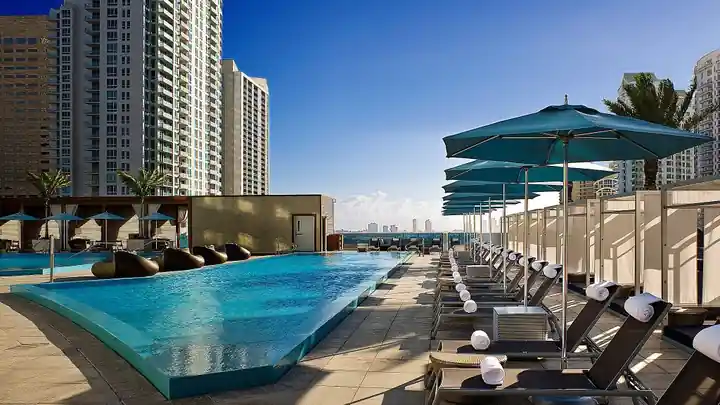
A commercial pool does not open the day the last tile is set. Between a finished shell and a deck full of guests sits a permit, and it is the one that owners, general contractors and operations teams all end up asking about in the final weeks of a project. In Florida, the State of Florida Department of Health oversees public pools, and the operator's permit is the document that says this pool is cleared to take swimmers.
A public pool is judged differently from a backyard pool
A residential pool is mostly a building department matter. A hotel, resort, condominium or apartment pool is a public bathing place in the eyes of the health authority, and it is reviewed on that basis. The reviewers care about things a homeowner never thinks about: how many people the pool is designed to carry, how water turns over through the filtration system, how the chemistry is fed and monitored, where the safety equipment sits, how the deck drains, and how the swimming area is separated from the rest of the property.
None of this is a surprise when the design team knows it going in. It becomes expensive when it is discovered after the concrete is poured. A drain layout, a feature pump or a lazy river channel can work perfectly on paper and still draw comments in review if nobody designed with the reviewer in mind.
Where the permit sits in the schedule
Developers often picture the permit as the final item on a checklist. In practice it runs alongside construction from the first set of drawings. Plans go through the municipality, the health authority becomes involved in review and inspection, and the pool has to be finished, filled, balanced and running the way the approved drawings describe before the operator's permit can be issued. If anything built in the field differs from what was approved, someone has to reconcile the two before the doors open.
That reconciliation is where opening dates slip. Not because anyone did poor work, but because the pool and the paperwork stopped matching somewhere along the way. A water feature changed mid-project, a pump swapped for a different model, a ladder moved a few feet: each is small, and each has to be reflected in the record.
What owners and developers can settle early
- The intended use and the number of swimmers the pool should carry, since both drive equipment sizing and layout.
- Which features are in the scope. Lazy rivers, interactive water features, fountains, jets and spas each add equipment and each add items for review.
- One person on the owner's side who can answer the pool team's questions quickly, so decisions do not sit for weeks.
- Who will operate the pool day to day. That person should see the control system and the chemical room before commissioning, not after.
- A written trail for every change, tied back to the approved plans.
A permit is issued to a pool, but people run it
Staff at a hotel or multifamily property need to understand the control system, the chemical feed, the lighting, the pump sequences and the daily logs that inspectors expect to see. A well-built commercial pool has equipment that is accessible, labelled and logical to a technician who did not build it. Pool control systems and lighting equipment are part of Pool Tech's commercial scope for that reason. Automation only helps if the person on shift can read it at six in the morning.
It also pays to think about the pool as an operating cost, not only a construction cost. Where the equipment room sits, how far a technician has to walk with a drum of chemicals, whether a pump can be pulled for service without draining anything: these are design choices made in the first month that the maintenance crew lives with for decades.
How Pool Tech handles it
Pool Tech states it plainly on its commercial work: after thirty-eight years of dealing with municipalities and the State of Florida Department of Health, the company knows how to see a pool through to its operator's permit so that it opens on time. The people involved explain why that is credible. Anthony Seijas, the president, put in a 25+ year tenure at Lennar Corp in real estate development and management, so he has sat on the owner's side of exactly this schedule. Nelson Salazar, VP of Operations, brings construction and inspection experience and leads workflow and quality control.
Commercial pools such as Kimpton Epic in Miami and Markers Hotel in Key West are the kind where the pool opening date is tied to everything else on the property: the hotel launch, the sales calendar, the first wedding booked on the deck. When the pool is late, the delay spreads. When the permit side has been handled from the first drawing, it does not.
If you are planning a hotel, resort or multifamily amenity deck, bring a pool builder into the conversation while the pool is still a sketch. The Commercial service page lays out the scope, from recreational pool and spa design to lazy rivers and interactive water features, or call the Pinecrest office at 305.226.7510 and ask for a conversation about your project.
Pool Tech Builders, 305.226.7510
Call 305.226.7510More articles
Infinity, zero entry or wet edge: how water leaves a pool on a waterfront lot
The edge decides how the pool looks from the house, how it feels in the water and how much engineering sits behind it.
Designing a pool for Florida Keys conditions
A pool in the Keys lives in a harsher climate than one inland. The design should say so.